
The Optimise Journey
There’s no predetermined route. Where you begin, where you’re going and what matters along the way are entirely your own.
The Map of You
Before deciding where to focus, it helps to understand the landscape.
Optimise begins by building a picture of you: not just the thing you want to change or develop, but the wider system it sits within.
We might explore how you think, respond and make decisions; your strengths and patterns; the relationships and environments around you; the experiences that have shaped you; what matters to you now; and what you want from what comes next.
Not everything will be relevant. The purpose isn't to analyse every part of your life or create a complete explanation of who you are. It's to understand enough of the picture to recognise what matters, what connects, and where attention could make the greatest difference.
From there, a map begins to emerge , one that is particular to you.
Your Growing Edge
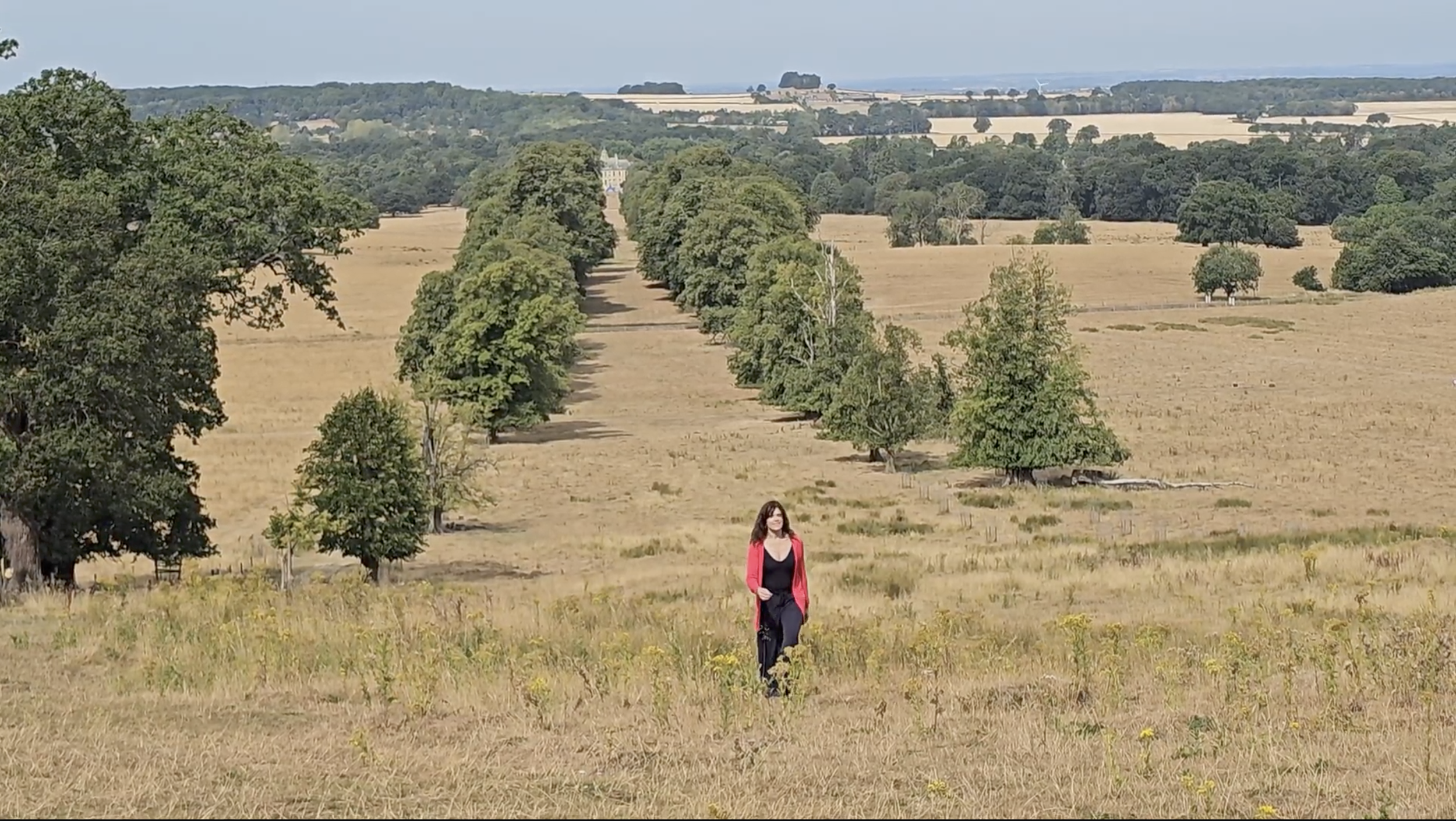
Your Growing Edge is the part of the picture that points towards what comes next.
It might be something you want to develop, strengthen or step into: a capacity, ambition, way of working, relationship, role or part of yourself that you want more from.
Sometimes the direction is already clear. Sometimes it emerges through the process of understanding yourself more fully.
The Growing Edge gives us something to move towards, not an externally defined version of success, but something that matters to you.

Your Trailing Edge
Sometimes, something else in the picture can influence how easily you move towards your Growing Edge.
Your Trailing Edge might be a belief, pattern or way of responding; a fear or anxiety; an expectation you place on yourself; or an experience from the past that is still influencing how you respond in the present.
We don't assume there is always something getting in the way, and we don't go looking for problems that aren't there. But when something repeatedly limits movement towards what matters, it can be useful to understand what is happening and decide whether it needs our attention.
We follow relevance, not chronology. We look at the past if it's impacting the present and threatening the future. If not, we leave it in the past.

Change happens in real life.
Insight can be powerful. But insight alone doesn't necessarily create change.
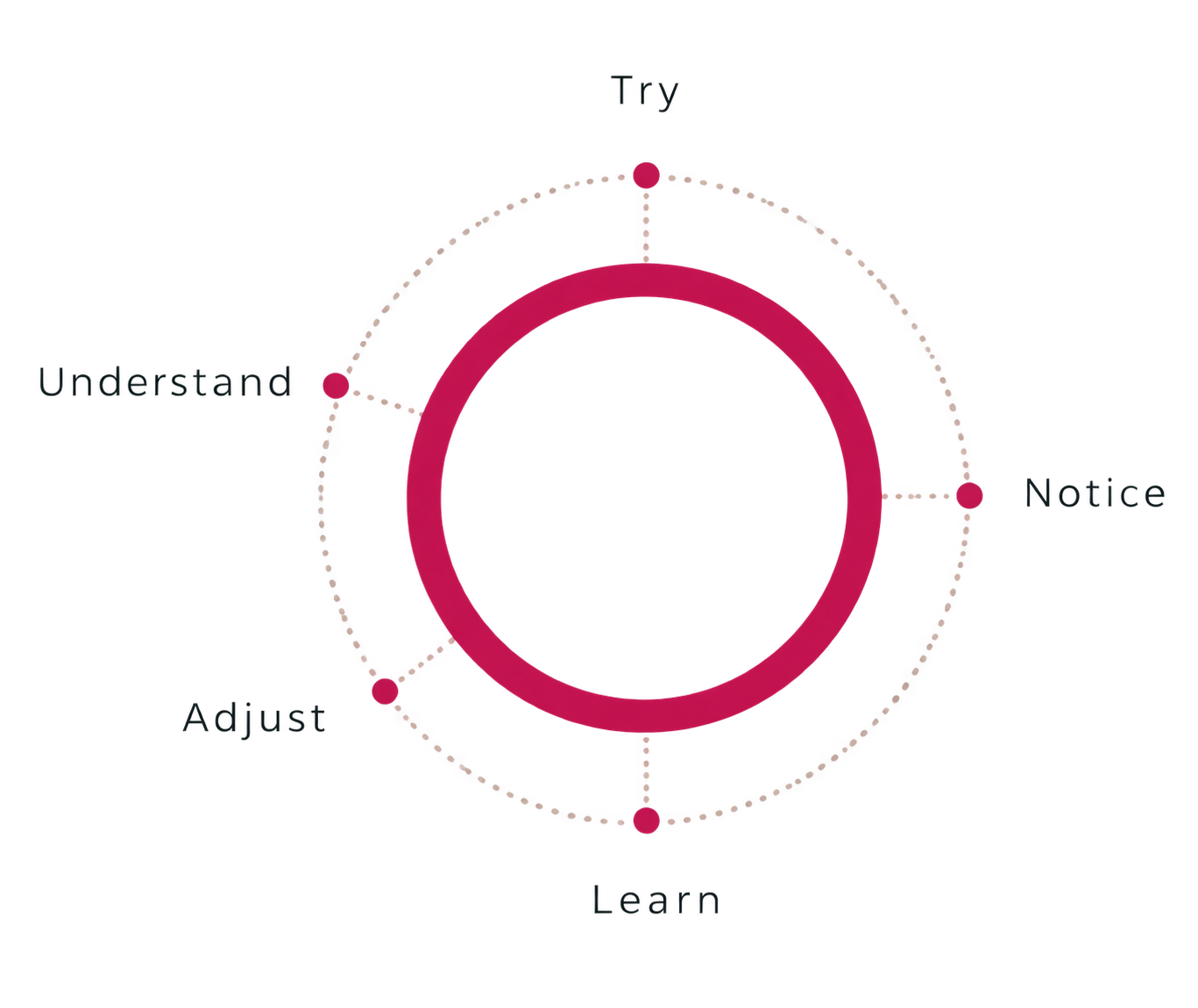
As the picture becomes clearer, we look for opportunities to translate what you're learning into your everyday life, perhaps by approaching something differently, experimenting with a new response, having a conversation, making a decision, or taking a step towards something that matters.
What happens next gives us new information. Something may work exactly as expected. Something else may feel harder than anticipated. A change in one area may reveal something we hadn't previously seen.
The Map isn't static. It evolves as you do.
We use what happens in real life to deepen our understanding and adjust where we focus. Insight and action inform one another, so change becomes part of the journey rather than something that happens at the end of it.

Change becomes part of the bigger picture.
As you change, the way you experience and interact with the world around you can change too.
New understanding, different responses or a shift in what matters to you don't exist separately from the rest of your life. They come with you into your relationships, your work, your decisions, your responsibilities and the environments you move through.
Sometimes those changes fit easily. Sometimes they alter familiar dynamics, create new choices or require other parts of life to adjust too.
Integration is about noticing what happens as change becomes part of everyday life: what settles, what needs attention and what the changing picture tells us about where to go next.
Because the aim isn't simply to create change. It's to create change that can live in your life.
There are different ways to make the journey.
Work directly with Katie, or explore Optimise in your own time and alongside others.